




Whiskerwood is a cozy yet system-driven colony simulation game centered around building, managing, and expanding a woodland settlement inhabited by animal citizens. While its aesthetic leans charming and relaxed, its mechanics demand structured planning, efficient resource allocation, and long-term expansion strategy.
This guide is organized chronologically—from your first settlement layout to late-game optimization—so you can avoid early bottlenecks, stabilize your economy, and scale your woodland colony efficiently.
1. Understanding Core Colony Mechanics
Whiskerwood revolves around three foundational systems:
- Resource production
- Population management
- Infrastructure expansion
In the early phase, survival depends on stable food production and housing capacity. Rapid expansion without production balance results in shortages.
Core Resource Categories
Primary early-game resources:
- Wood
- Berries/Food
- Stone
- Basic crafting materials
Stability Rule
Never increase population unless:
- Food surplus exists
- Housing capacity exceeds demand
- Storage is available
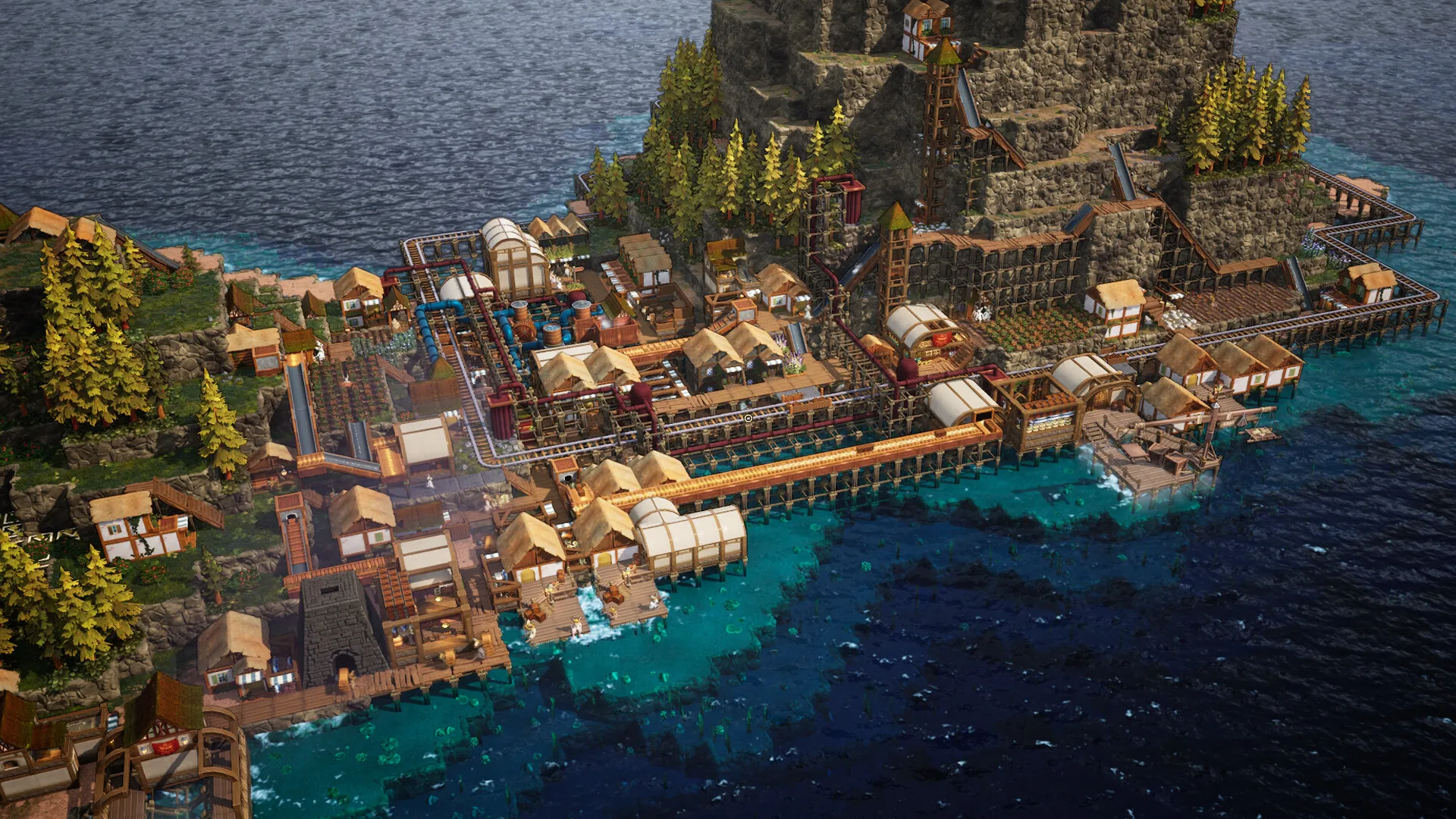
2. First Settlement Layout Strategy
Layout efficiency determines long-term scalability.
Place production buildings close to:
- Resource nodes
- Storage
- Housing clusters
Avoid spreading structures too widely early on. Worker travel time directly affects output efficiency.
Early Layout Priorities
Build in this order:
- Food production
- Basic housing
- Storage
- Crafting station
Infrastructure Zoning
Create zones:
- Food district
- Crafting area
- Residential section
Leave expansion space for future upgrades.
3. Food Production and Sustainability
Food shortage is the most common early-game failure.
Diversify early:
- Farming plots
- Foraging huts
- Fishing (if available)
Food Stability Formula
Maintain:
- 1.5x food production relative to consumption
- Emergency stockpile buffer
Seasonal Adjustment Strategy
If the game includes seasons:
- Overproduce before winter
- Stockpile preservation goods
- Reduce non-essential workers
4. Worker Assignment Optimization
Idle workers waste productivity.
Assign based on:
- Current bottleneck
- Resource depletion rate
- Construction demand
Role Distribution Principle
Maintain:
- 40% resource gatherers
- 30% food producers
- 20% builders/crafters
- 10% flexible workforce
Avoid Over-Specialization
Too many specialists early reduces adaptability.
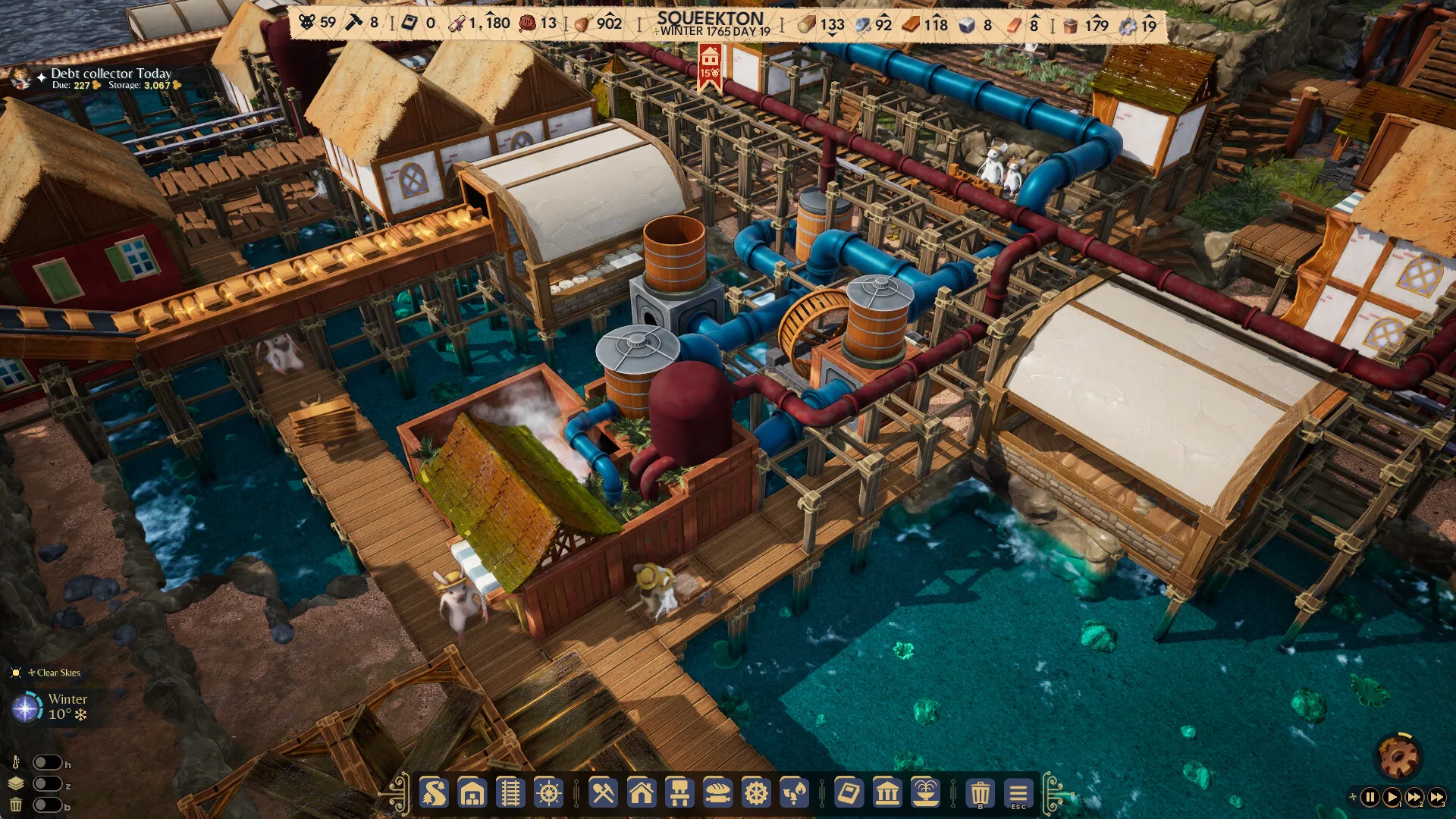
5. Storage and Supply Chain Efficiency
Overflow causes resource decay or production halt.
Build:
- Central storage hubs
- Secondary resource-specific storage
Efficient Placement
Storage should sit:
- Between production zones
- Near high-output buildings
Supply Chain Flow
Resource Node → Gatherer → Storage → Crafting → Distribution
Keep this chain short.
6. Expansion and Territory Control
Mid-game expansion unlocks:
- New resource types
- Rare materials
- Advanced buildings
Expand only when:
- Current settlement is stable
- Food and housing surplus exist
Expansion Checklist
- Extra tools prepared
- Defensive readiness (if applicable)
- Resource scouting completed
Controlled Growth Strategy
Expand in layers:
- Secure resource
- Establish outpost
- Connect logistics
7. Crafting and Production Scaling
As settlement grows, manual production becomes inefficient.
Upgrade:
- Basic workshops
- Processing buildings
- Tool production chains
Production Hierarchy
Raw materials → Processed goods → Advanced tools → Luxury items
Bottleneck Identification
If production slows:
- Check worker pathing
- Confirm storage capacity
- Verify input availability
8. Happiness and Settlement Morale
Citizen happiness affects productivity.
Boost morale through:
- Housing upgrades
- Decorative items
- Balanced workload
Morale Drivers
- Food variety
- Adequate housing
- Access to amenities
Avoid Productivity Collapse
Overworking citizens leads to:
- Efficiency drop
- Slow construction
- Resource stagnation
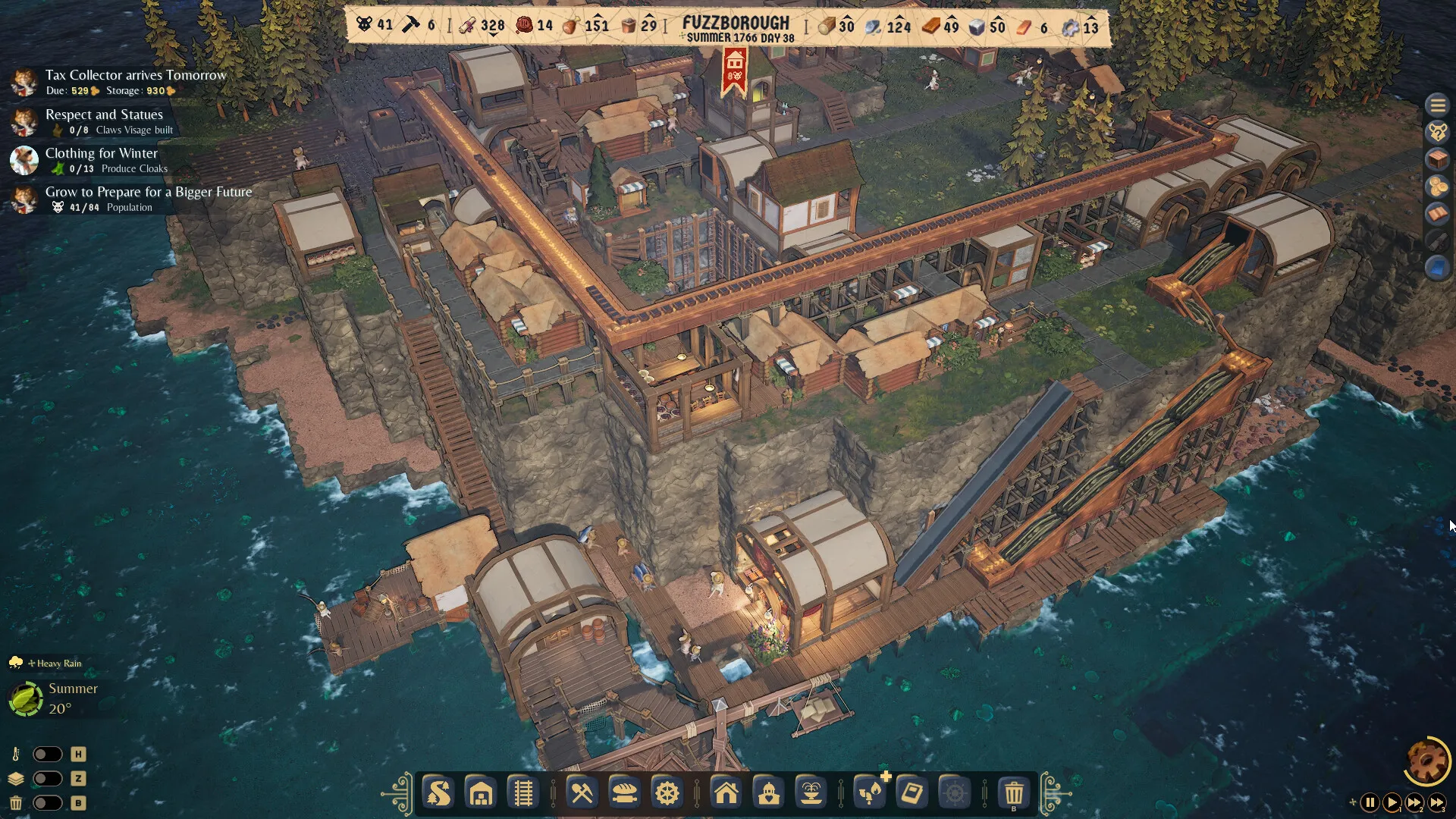
9. Advanced Resource Management
Late-game requires automation and logistics refinement.
Implement:
- Upgraded gathering posts
- Centralized distribution hubs
- Resource prioritization rules
Resource Tier Strategy
Prioritize:
- Survival goods
- Construction materials
- Trade goods
- Luxury items
Long-Term Stability
Maintain:
- Multiple food sources
- Redundant production chains
- Emergency reserves
10. Endgame Optimization and Colony Mastery
Late-game goals include:
- Fully upgraded infrastructure
- Maximum population sustainability
- Efficient production surplus
At this stage, layout refinement becomes critical.
Optimization Checklist
- Minimized worker travel time
- Balanced food-to-population ratio
- High-tier crafting efficiency
- Happiness above stability threshold
Aesthetic vs Efficiency Balance
Endgame allows:
- Decorative layout improvements
- Thematic district planning
- Performance-driven restructuring
Conclusion
Whiskerwood blends charming presentation with layered colony management systems. Early success depends on disciplined population growth and stable food production. Mid-game stability comes from optimized worker assignment and supply chain flow. Late-game mastery requires expansion planning, morale balance, and infrastructure scaling.
Stabilize first. Expand cautiously. Optimize continuously. Maintain surplus.
Follow that progression, and your woodland colony will thrive long-term.